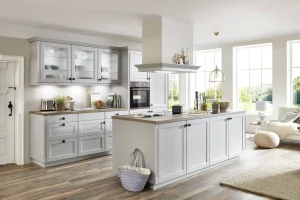

Small Kitchen Cabinets Turkey
Small Kitchen Cabinets Turkey: The Comprehensive Engineering, Design, and Procurement Guide for Space-Optimized Cabinetry
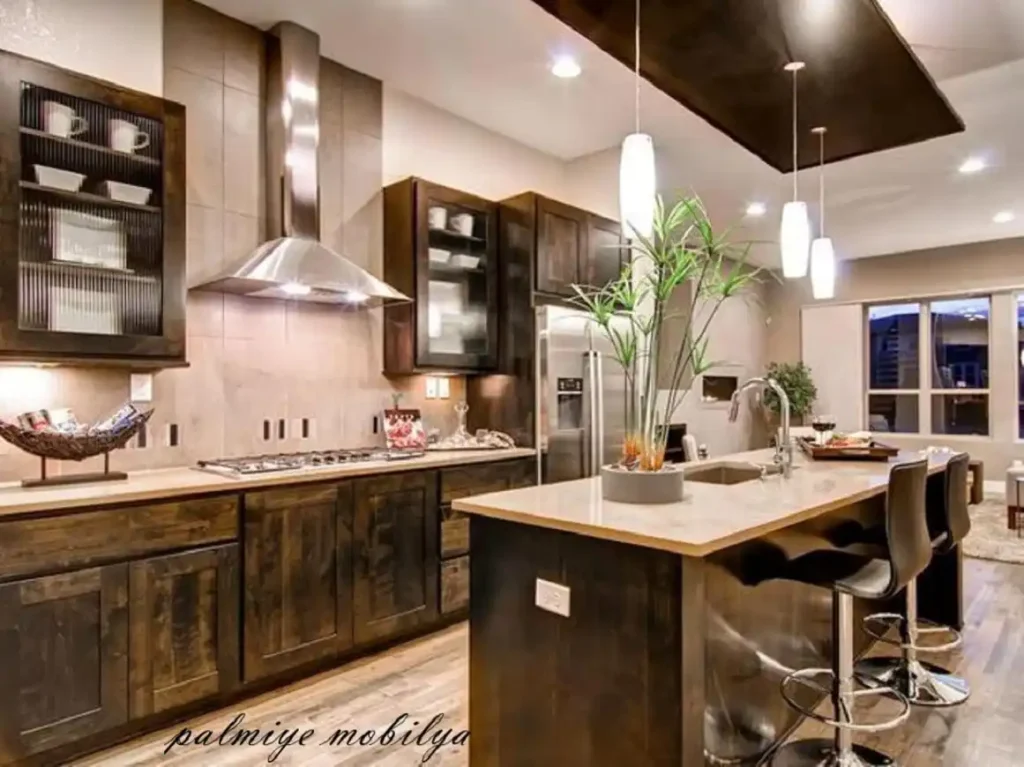
Maximizing utility within a restricted spatial footprint is one of the most significant challenges in modern residential architecture. As urban living spaces shrink globally, the demand for highly efficient, ergonomically engineered small kitchens has surged. Turkey has emerged as a preeminent global hub for solving these spatial puzzles, manufacturing specialized, space-saving cabinetry that blends high-density storage hardware, advanced surface engineering, and automated production.
This technical guide delivers an in-depth analysis of the design methodologies, material sciences, hardware mechanisms, and international procurement dynamics behind Small Kitchen Cabinets Turkey systems. Whether you are a commercial real estate developer sourcing compact modular units for a high-rise micro-apartment project, an interior architect drafting a bespoke studio renovation, or a global furniture importer seeking high-turnover retail inventory, this analysis details how Turkish manufacturers optimize every millimeter of a compact kitchen layout.
1. Ergonomic Engineering for Compact Spaces: The Small Kitchen Paradigm
Designing cabinetry for a limited area requires a complete departure from standard kitchen spatial planning. In a large kitchen, design focuses on aesthetics and workflow flow. In a compact kitchen, design is an exercise in high-density volumetric efficiency. Every cabinet box must perform multiple functional roles.
Traditional Kitchen Design Focus:  Aesthetic Spread  -->  Zonal Separation  -->  Expansive Footprint
Small Kitchen Design Focus:        Volumetric Depth -->  Multi-Axis Hardware -->  Zero Dead Space
The Work Triangle in Restricted Layouts
The classic kitchen work triangle—the distance between the sink, refrigerator, and cooking range—must be compressed without creating physical bottlenecks.
- Linear (Single-Wall) Layouts: Common in modern micro-apartments. Turkish engineers optimize these configurations by extending cabinetry vertically up to the absolute ceiling line, utilizing tier-three overhead storage blocks for items used infrequently.
- L-Shaped and U-Shaped Compact Layouts: These layouts present the challenge of internal corners. In a large kitchen, a blind corner is a minor inconvenience. In a small kitchen, an unoptimized corner represents a catastrophic loss of up to 20% of the total available storage volume.
Spatial and Ergonomic Milestones of Turkish Design
The Small Kitchen Cabinets Turkey industry has adapted rapidly to global urban trends by focusing on four primary spatial objectives:
- Vertical Volumetric Expansion: Standard wall cabinet heights are increased from 720mm to 960mm, or structured as stacked modular pairs that cap off at the ceiling with integrated molding profiles.
- Reduced Footprint Depth: Where structural floor space is critical, base cabinets are re-engineered from the standard 600mm depth down to a slimline 450mm or 500mm depth, matched with highly specialized, shallow-depth internal drawer runners.
- Visual De-Cluttering: Eliminating protruding hardware and utilizing light-reflective surface materials to manipulate the human perception of space, making a small room feel significantly more open.
- Kinetic Multi-Functionality: Integrating pull-out utility tables, concealed cutting boards, and drop-down spice racks directly into the cabinet frames.
2. Structural Component Design and Carcass Engineering
The structural integrity of a small kitchen cabinet is put under intense stress. Because the volume is limited, cabinets are packed tighter, drawers are loaded to their maximum physical weight limits, and doors are cycled more frequently.
Carcass Core Materials: Moisture Resistance and Mechanical Strength
Turkish manufacturers build cabinet carcasses using automated CNC nesting lines, predominantly utilizing two primary core materials:
1. High-Density Moisture-Resistant Melamine-Faced Chipboard (MR-MFC)
- Technical Density: Typically ranging from 650 kg/m³ to 720 kg/m³.
- Moisture Resistance: Formulated with specialized melamine-urea-formaldehyde (MUF) resins that significantly reduce thickness swelling when exposed to water vapor or minor leaks under the sink.
- Screw Retention: The high-density core ensures that heavy-duty hardware mounting screws remain firmly anchored, preventing hinge sag under continuous load cycles.
2. Medium-Density Fibreboard (MDF) with Polyurethane Backing
- Application: Used for high-end custom small kitchens or sections highly vulnerable to water exposure, such as sink bases and open dish-drying cabinets.
- Structural Property: Homogeneous composition allows for zero-tolerance CNC tongue-and-groove joint routing, creating exceptionally square and stable cabinet boxes.
Joint Engineering and Load-Bearing Assemblies
To maximize the internal space of Small Kitchen Cabinets Turkey products while ensuring rapid on-site assembly, factories utilize precise joinery methodologies:
[Minifix Cam Lock] + [Dowel Insertion] = High Shear Strength & Rapid On-Site Toolless Assembly
- Minifix and Dowel System: Automated drill banks insert steel or zinc-alloy cam locks (Minifix) paired with pre-glued wooden dowels. This combination provides exceptional squareness and high shear resistance, allowing flat-packed cabinets to be assembled with basic hand tools while retaining absolute structural squaring.
- Solid Back Panels: Rather than using flimsy 3mm hardboard slid into a groove, premium Turkish commercial specifications call for 8mm or 16mm thick back panels screwed directly into the carcass sides. This increases structural rigidity, ensuring the cabinet does not warp or lean when fully loaded with heavy stoneware or canned goods.
3. Advanced Hardware Integration: Weaponizing the Millimeter
In a compact kitchen, high-performance internal hardware transforms static wooden boxes into dynamic, high-density storage systems. Turkish cabinetry manufacturers integrate advanced mechanical and electronic hardware lines to ensure that no space is wasted.
Maximizing Corners: Blind Corner Optimizers and Carousel Systems
The deep recesses of an L-shaped corner are notoriously difficult to reach. Turkish suppliers integrate sophisticated multi-axis pulling hardware to extract this space completely.
| Hardware Type | Spatial Efficiency | Kinetic Mechanism | Maximum Load Capacity |
|---|---|---|---|
| LeMans Blind Corner Pull-Out | 95% Volumetric Usage | Non-handed, independent trays that swing fully out of the carcass with a fluid, organic curve. | 25 kg per tray |
| Magic Corner Comfort System | 85% Volumetric Usage | A front frame pull-out pulls the rear storage baskets forward into view as the door opens. | 40 kg total system |
| Three-Quarter (270°) Carousel | 70% Volumetric Usage | Central revolving steel axis supporting circular wire or solid-bottom anti-slip baskets. | 20 kg per basket |
Advanced Drawer Box Systems and Slimline Sides
Traditional wooden drawer boxes with thick timber sides consume crucial internal width. Modern Small Kitchen Cabinets Turkey systems replace these with ultra-slim steel double-wall drawer sides.
- Profile Thickness: Slimline metal drawer walls (such as Samet Flowbox or premium European equivalents) measure only 12.8mm to 15mm in thickness. This saves up to 30mm of usable internal storage width per drawer bank compared to traditional construction.
- Full Extension Runners: Hidden under-mount runners pull completely past the edge of the countertop. This allows total visibility and vertical access to the absolute back of the drawer box, avoiding the need to crouch down and reach blindly into deep base cabinets.
Vertical Wall Cabinet Kinetic Lifts
Traditional side-hinged doors on wall cabinets present a physical hazard in a small space, as they swing outward into the user’s head space. Turkish compact designs utilize vertical lift systems:
- Parallel Lift Up / Bi-Fold Systems: Mechanisms like the Samet Monolift or Blum Aventos lift the cabinet door vertically parallel to the cabinet box, or fold it in half at the center line. This allows the user to leave the wall cabinet doors completely open while cooking, maximizing kinetic freedom in a tight room footprint.
[Wall Cabinet Base] -> [Touch Activation] -> [Door Lifts Smoothly Vertically Out of Field of Vision]
4. Front Surface Materials and Optical Expansion Techniques
The color, texture, and light-reflective index of cabinet doors dictate the psychological scale of a small kitchen. Dark, matte, heavy textures compress space visually; light-reflective, high-gloss, or smooth micro-matte surfaces open it up.
Material Options for High-Traffic, Compact Doors
1. High-Gloss Acrylic and High-Gloss PET
For modern, minimalist small kitchens, high-gloss surfaces act like mirrors, bouncing light across the room to create the illusion of expanded depth.
- The Technology: Premium MDF cores are laminated with co-extruded PMMA (Acrylic) or PET sheets. Brands like AGT (Antalya, Turkey) produce globally recognized high-gloss panels with a mirror-like finish that exceeds 90 Gloss Units.
- Durability Factor: High-grade PET sheets offer exceptional scratch resistance and are completely stable under long-term UV exposure, ensuring white or cream kitchens do not turn yellow over time.
2. Super-Matte Anti-Fingerprint Polymers
If a matte aesthetic is desired, small kitchens require advanced anti-fingerprint technology. Because surfaces are handled frequently in tight quarters, standard matte materials quickly become marred by skin oils, breaking up visual lines.
- Electron-Beam Curing (EBC): Turkish manufacturers utilize advanced surface sheets cured via electron beams. This creates a microscopic texture that scatters light completely, rendering fingerprints invisible and providing a silky, velvety tactile sensation.
3. Thermo-Plastic 3D Vacuum-Wrapped PVC Membranes
- The Advantage: Ideal for small kitchens requiring integrated J-pull handleless designs or subtle shaker profiling. The PVC film is heated and vacuum-drawn over a single routed MDF panel, creating a continuous, seamless outer skin. This eliminates the need for edge-banding joints entirely, providing total protection against moisture ingress on all four door edges.
The Role of Zero-Joint Laser Edge Banding
To preserve clean lines in a compact environment, Turkish factories utilize automated edge banders equipped with Hot Air (AirTec) or Laser fusion tech.
- The Process: Instead of using traditional EVA hot-melt glues, which leave a faint dark glue line over time, a high-power laser or superheated air stream melts a functional polymer layer on the back of the ABS edge band. This fuses it instantly and directly to the wood fibers of the board core.
- Result: A zero-joint finish that is completely invisible, highly heat-resistant (perfect for cabinetry placed directly next to compact ovens), and entirely waterproof.
5. Architectural Space Optimization: Smart Modules and Fillers
When specifying Small Kitchen Cabinets Turkey lines, success is achieved by integrating specialized utility modules designed to capture areas that traditional cabinet layouts abandon.
The Multi-Tier Pull-Out Cargo Unit
A standard 150mm or 200mm gap next to an oven is often sealed off with a dead filler piece in poorly designed kitchens. In a compact Turkish layout, this gap is filled with a vertical pull-out cargo system.
- Internal Storage Layout: These slimline steel systems feature custom internal wire racks, integrated knife blocks, magnetic spice organizers, and utensil hooks.
- Soft-Close Dampening: Even at a slim width of 150mm, these systems ride on high-capacity bottom runners equipped with hydraulic soft-close cylinders, preventing the narrow unit from tipping or rattling when pulled open briskly.
Countertop Line
=====================================================

|  Base Cab  |  150mm Slim Pull-Out Cargo  | Base Cab |
|            |  [Spice Rack Tier 1]        |          |
|            |  [Knife Block Tier 2]       |          |
|            |  [Baking Tray Slot Tier 3]  |          |
=====================================================
Integrated Plinth Drawer Storage
The space underneath base cabinets—the plinth or kickboard zone—is traditionally completely wasted space hidden behind a plastic or aluminum clip-on clip.
- The Engineering: Turkish manufacturers offer plinth drawer modules. By utilizing specialized low-profile heavy-duty drawer runners mounted just 20mm off the finished floor surface, the dead space beneath the cabinet box is transformed into fully functioning drawers. This is the ideal location for storing flat baking sheets, extra rolls of aluminum foil, or seasonal kitchen tools.
Waste-Separation Sink Base Cabinets
The area directly beneath a small kitchen sink is typically a chaotic mess of plumbing pipes, water filters, and cleaning chemicals.
- U-Shaped Drawer Inserts: Turkish engineers design custom U-shaped drawer boxes that slide comfortably around the sink basin and drainage pipework. This allows the user to utilize the upper part of the sink cabinet for cleaning sponges and dish soap, while the lower section houses automated, door-activated waste segregation recycling bins.
6. Industrial Scale and Technological Capability of Turkish Factories
Turkey has positioned itself as an agile powerhouse in the international woodworking and cabinetry sector. The nation’s manufacturing infrastructure combines large-scale automated panel processing with highly competitive production dynamics.
Major Strategic Cabinetry Clusters
Production of Small Kitchen Cabinets Turkey variants is anchored within several massive industrial hubs:
- İnegöl / Bursa: Renowned as the furniture epicenter of the country. This region features a highly dense supply chain where board producers, precision hardware designers, glass processing plants, and CNC cabinetry factories operate in immediate geographical proximity.
- Kayseri: Home to vast industrial parks focusing on high-volume, automated modular kitchen production. These plants run continuous, state-of-the-art packaging and assembly lines engineered for large-scale international real estate supply contracts.
- Istanbul & Kocaeli Regions: Focus heavily on high-end, contemporary architectural design customization, processing premium lacquers, custom timber veneers, and electronic luxury assist mechanisms.
Machinery Ecosystem
The production lines within tier-one Turkish cabinetry plants utilize identical technology to the most advanced facilities in Germany and Italy:
- Automated Storage and Retrieval Systems (ASRS): Raw board panels are managed by robotic overhead crane lifters that automatically sort and feed the precise material color and thickness to the cutting lines based on digital production schedules.
- Homag and Biesse Nesting Centers: High-speed CNC nesting routers cut, drill, and profile panels simultaneously with sub-millimeter accuracy. This absolute precision ensures that when a compact kitchen arrives flat-packed on a construction site thousands of miles away, every single pilot hole aligns perfectly.
- Digital Traceability (Barcoding): Every individual panel receives an automated barcode upon cutting. This barcode dictates its entire journey through the edge bander, multi-spindle drilling center, quality assurance inspection station, and final packaging line.
[ASRS Raw Panel Delivery] -> [CNC Nesting / Cutting] -> [Laser Edge Banding] -> [Barcode Scan / Quality Control] -> [Flat-Pack Wrapping]
Compliance, Safety, and Eco-Certifications
Turkish manufacturers producing for export export strictly to global standards:
- EN 14749: The European safety standard covering domestic and kitchen storage units and worktops.
- FSC Certification: Verification that wood-based board cores are sourced from responsibly managed, sustainable forestry reserves.
- Low Formaldehyde Emissions (E1 and E0.5): Ensuring that resins used within chipboards and MDF panels do not release harmful VOC gases into tight, unventilated apartment interiors.
7. Procurement Analysis, Cost Matrix, and B2B Value Proportions
For global developers, sourcing managers, and wholesale importers, the financial metrics of purchasing Small Kitchen Cabinets Turkey lines present a uniquely compelling strategic advantage.
Comparative Value Structuring
Turkey occupies a highly competitive sweet spot in the global supply chain, successfully bridging the gap between low-cost, high-volume Asian production and high-cost, design-heavy Western European manufacturing.
| Manufacturing Attribute | Western Europe | East Asia | Turkey |
|---|---|---|---|
| Material Sourcing | Imported / High Cost | Local / Variable Grade | Local Mega-Producers / High Tier |
| Hardware Integration | Premium European Only | Local Generic Imitations | Premium European & Advanced Local |
| Customization Flexibility | Low (Strictly Modular) | High MOQ Required | High (Agile Customization) |
| Logistical Transit Time | Rapid (Overland) | Long (Ocean Freight 30+ Days) | Rapid (Overland & Major Sea Ports) |
| Cost Efficiency | Premium Priced | Low Initial Cost / High Tariff | Exceptional Value-to-Spec Ratio |
The Domestic Supply Chain Advantage
Turkey does not rely on importing raw panels or basic surface foils. The country is home to massive domestic chemical and wood-processing conglomerates (such as Kastamonu Entegre, Yıldız Entegre, and AGT). This complete vertical integration means cabinet factories buy raw materials directly in local currency, insulated from global supply shocks, and pass those systemic savings directly down to the B2B buyer.
8. Logistical Engineering and Container Space Optimization
Shipping multi-unit cabinetry orders across borders without suffering damage or incurring excessive freight costs requires careful logistical calculation. Turkish export departments treat packaging with the same engineering precision applied to the wood panels themselves.
Flat-Pack (Ready-To-Assemble) vs. Rigid Box Optimization
Depending on project scale and on-site labor costs, buyers choose between two primary packaging methodologies:
Option A: Flat-Pack (RTA)
- Spatial Volume: Maximizes container density. A single 40ft HC container can hold up to three times as many kitchens in flat-pack form compared to rigid boxes.
- Protection Level: Every single component is separated by micro-foam sheets. High-density expanded polystyrene (EPS) bumpers shield all vulnerable corners against sudden impacts during transit.
- Project Suitability: Ideal for long-distance ocean freight shipping to markets like North America or when local on-site assembly labor is affordable.
Option B: Pre-Assembled Rigid Boxes
- The Advantage: Cabinets are squared, clamped, glued, and hardware-mounted under perfect factory conditions. This cuts on-site installation times on the construction site by over 50%.
- Logistics Profile: Shipped via specialized mega-trucks or high-cube maritime containers.
- Project Suitability: Heavily favored by developers in mainland Europe, the UK, and the Middle East, where high on-site union labor rates make rapid installation paramount.
Flat-Pack Model:    [Maximum Container Density] + [On-Site Assembly Needed] = Lower Freight, Higher Local Labor
Pre-Assembled Model: [Lower Container Density]   + [Instant On-Site Install] = Higher Freight, Lower Local Labor
Proximity and Transit Efficiency
Turkey’s geographic positioning acts as a major logistical accelerator:
- European Overland Road Network: Cabinetry orders from Istanbul or Bursa clusters can reach distribution hubs in Germany, France, or Italy within 4 to 6 days via direct trucking fleets.
- Maritime Freight Channels: Major deep-water ports like Ambarlı (Istanbul), Izmir, and Mersin offer weekly direct sailings to global destinations. Transit to the UK ranges from 10 to 14 days, while transit to the United States East Coast averages 18 to 22 days, completely bypassing the extended shipping cycles associated with trans-Pacific shipping.
9. Technical Installation Methodology and Preventive Maintenance
The finest engineered Small Kitchen Cabinets Turkey system will fail to perform if it is misaligned during installation. In small spaces, minor installation errors amplify rapidly, causing doors to bind and mechanisms to jam.
Step-by-Step Professional Calibration Sequence
Step 1: Laser Wall Mapping and Shimming
- Mapping: Compact rooms rarely possess perfectly square 90-degree corners or completely level subfloors. Installers must map the space using a self-leveling multi-line laser.
- Base Alignment: Establish the absolute highest point of the floor and use the heavy-duty adjustable cabinet feet to align all base carcasses to this level plane. Use high-impact structural shims behind wall hanger brackets to ensure wall cabinets sit perfectly square, even if the drywall bows inward or outward.
Step 2: Carcass Unit Interlocking
- Binding: Never treat small kitchen cabinets as isolated standalone boxes. Once leveled, clamp adjacent cabinets together tightly using heavy-duty face-frame clamps.
- Securing: Secure the units together structurally using male-to-female furniture connector sleeve screws. This binds the separate modules into a single monolithic structural block, distributing loaded weight evenly across the entire frame network and preventing independent settling.
Step 3: Precise Kinetic Hardware Tuning
- Hinge Calibration: Utilize the three-way adjustments built into modern soft-close hinges to establish consistent 3mm shadow reveals between all door panels.
Hinge Arm Adjustment Screw A: Adjusts Lateral Side-to-Side Position
Hinge Arm Adjustment Screw B: Adjusts Vertical Height Position
Hinge Arm Adjustment Screw C: Adjusts Front-to-Back Depth Flushness
- Runner Play Adjustments: For drawers and pull-out corner mechanisms, calibrate the depth adjustment pins. A consistent play gap must be maintained to allow soft-close plungers or mechanical push-to-open actuators to engage cleanly without requiring excessive force.
Long-Term Preventive Maintenance Protocols
To maximize the operational lifespan of compact cabinetry systems in high-traffic environments, users should adhere to strict maintenance guidelines:
- Micro-Climate Controls: Small kitchens generate high concentrations of heat and humidity rapidly during cooking. Always activate kitchen range hoods during culinary operations. Wipe away any condensation that settles on the undersides of wall cabinets immediately to prevent long-term edge-band stress.
- Dishwasher Steam Ingress: Do not crack open a dishwasher immediately after its cleaning cycle completes. The sudden, concentrated release of superheated steam can gradually degrade the adhesive bond of the edge banding on adjacent sink base doors over years of repetition. Allow the dishwasher to cool down fully internally before opening.
- Correct Cleaning Formulations: Clean high-gloss and super-matte doors exclusively with an ultra-soft microfiber cloth dampened with lukewarm water and a 1% solution of mild, pH-neutral liquid soap. Never use paper towels (which contain microscopic wood fibers that can scratch high-gloss coatings) or abrasive chemical cleaning sprays containing ammonia, acetone, or bleach.
10. Conclusion: Executing a Successful Compact Kitchen Procurement Strategy
Sourcing Small Kitchen Cabinets Turkey systems offers global real estate developers, contractors, and kitchen retailers a highly scalable solution for maximizing the utility and perceived luxury of limited interior layouts. By leveraging Turkey’s extensive automated production capacity, high-density internal hardware integrations, and advanced, water-resistant surface technologies, buyers can deliver premium spatial experiences that align with modern urban housing demands.
To ensure absolute success when setting up your manufacturing and procurement agreements, prioritize the following core operational guidelines:
- Define Layout Typologies Early: Select between slimline 450mm base depth configurations and standard 600mm depths based on available floor area, matching them with specialized internal corner optimizers during the initial planning phase.
- Mandate High-Performance Surface Specs: Specify laser-fused or hot-air co-extruded ABS edge banding paired with high-gloss PET or anti-fingerprint super-matte panels to guarantee optical expansion and long-term durability.
- Optimize Internal Density: Maximize small-space functionality by replacing dead spaces with multi-tier vertical cargo units, U-shaped under-sink drawers, and functional plinth storage components.
- Align Packaging with Site Realities: Choose between flat-pack shipping for maximum container volumetric savings and factory-assembled rigid boxes to minimize expensive on-site installation labor times.
By combining precision engineering tolerances with advanced internal mechanics, your small kitchen installation will stand as a resilient, highly efficient layout capable of answering the complex spatial challenges of modern architectural design.






Şunları da sevebilirsiniz
Lacquered Room Doors Production Turkey
Solid Wood Door Turkey