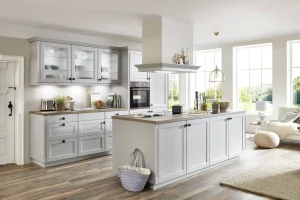

Kitchen Cabinet Prices Turkey
Kitchen Cabinet Prices Turkey: The Comprehensive Technical and Financial Sourcing Guide for Global Procurement
The global residential furniture trade has experienced a major structural shift toward high-performance, cost-optimized manufacturing hubs. When international procurement managers, real estate developers, hospitality chains, and residential buyers analyze procurement options, evaluating Kitchen Cabinet Prices Turkey profiles reveals a uniquely powerful cost-to-quality ratio. Operating at the direct geographic intersection of European automated machinery infrastructure, rich regional timber reserves, and optimized labor economics, Turkish factories deliver high-end cabinetry systems at structural price points that standard Western European manufacturers cannot match.
However, successfully navigating the Turkish cabinetry market requires far more than comparing surface aesthetics or basic per-linear-meter catalog rates. True cost efficiency is dictated by raw material substrate classifications, edge-gluing chemistry, mechanical hardware load ratings, international customs tariff agreements, and automated factory throughput capacities. This comprehensive industrial guide provides an in-depth breakdown of the cost drivers, material sciences, manufacturing clusters, logistical metrics, and financial frameworks that determine the final Kitchen Cabinet Prices Turkey landscape.
1. Macro-Economic Architecture: The Core Cost Drivers in Turkey
To accurately evaluate and forecast Kitchen Cabinet Prices Turkey structures, procurement professionals must understand the macro-economic and industrial elements that shape this export-driven sector.
Geostrategic Proximity and Intermodal Freight Savings
One of the most powerful systemic advantages affecting the final landed cost of Turkish cabinetry is the country’s strategic position bridging the Euro-Asian trade networks.
- Nearshoring Transit Speed: Compared to long-range manufacturing hubs in East Asia, which require 30 to 45 days of ocean freight to reach Western Europe, intermodal road, rail, and maritime routes from Turkey reach central European logistics hubs within 3 to 7 days.
- Capital Velocity Optimization: Reducing transit time by several weeks drastically limits the amount of working capital tied up in “floating inventory,” allowing real estate developers to optimize cash flows and significantly reduce financing costs.
The EU-Turkey Customs Union and Tariff Optimization
- 0% Customs Duty Advantage: Implemented in 1995, the EU-Turkey Customs Union eliminates customs duties, quotas, and quantitative trade barriers on industrial goods moving between Turkey and the European Union. By utilizing an A.TR Movement Certificate, importers can bypass standard customs duties entirely, fundamentally altering the competitive framework of Kitchen Cabinet Prices Turkey compared to non-Union importing countries.
Vertically Integrated Industrial Supply Chains
Turkey does not merely assemble imported components; its furniture industry relies on a massive, vertically integrated domestic supply chain.
- Raw Substrate Infrastructure: Turkey is home to some of the world’s largest composite wood panel producers (such as Kastamonu Entegre and Yıldız Entegre). Because Turkish cabinetry factories source their raw Medium Density Fiberboard (MDF) and high-density particleboard locally, they avoid international shipping markups on heavy raw materials, keeping base production costs exceptionally stable.
2. Material Matrix: Core Substrate Cost Variations
The single biggest internal variable affecting Kitchen Cabinet Prices Turkey formulations is the precise engineering specification of the panel substrate core. Procurement contracts should never simply request “wood” or “MDF”; they must explicitly detail density profiles, moisture resistance ratings, and chemical binding resins.
Substrate Cost and Performance Trajectory:
[Standard Particleboard] ---> [High-Density Chipboard] ---> [Standard MDF] ---> [Green-Core MR-MDF] ---> [Finger-Jointed Solid Timber]
Base Pricing Baseline <------------------------------------------------------------------------------------> Premium Pricing Tiers
Standard and High-Density Particleboard (Chipboard)
- Technical Properties: Formed by compressing wood chips blended with urea-formaldehyde resins under intense heat and pressure. High-density variations feature a three-layer structure where a core of coarse chips is sandwiched between two outer layers of ultra-fine, highly compressed wood particles.
- Pricing Impact: Represents the entry-level baseline for budget-conscious multi-family residential developments. High-density chipboard provides excellent structural stiffness and exceptional cost efficiency, making it the preferred choice for hidden interior cabinet carcasses.
Standard Medium Density Fiberboard (MDF)
- Technical Properties: Manufactured by breaking down hardwood or softwood residuals into fine wood fibers, combining them with synthetic resin binders, and pressing them into highly calibrated sheets. MDF possesses a completely uniform density profile, allowing for smooth, chip-free edge profiling and CNC routing.
- Pricing Impact: Acts as the mid-tier baseline for the standard international export market, representing a moderate step up in pricing from particleboard due to its vastly superior structural integrity and smooth finishing surface.
Moisture-Resistant Medium Density Fiberboard (MR-MDF / Green Core)
- Technical Properties: Hydrophobic paraffin wax emulsions and moisture-resistant melamine-urea-formaldehyde (MUF) or polymeric diphenylmethane diisocyanate (pMDI) resin networks are chemically blended directly into the raw wood fiber pulp before pressing.
- Pricing Impact: Commands a premium markup over standard MDF. However, specifying green-core MR-MDF is vital for high-end kitchen zones subject to steam and water splashing near undermount sinks. It minimizes long-term core swelling, preventing expensive warranty claims and edge-banding failures.
Finger-Jointed Solid Timber Panels
- Technical Properties: Slabs of natural hardwoods (such as European Oak, Turkish Walnut, or Anatolian Chestnut) are cut into short blocks, alternated by growth ring direction to neutralize natural warping forces, and interlocked using high-strength finger joints.
- Pricing Impact: Positioned at the absolute peak of the Kitchen Cabinet Prices Turkey spectrum. Reserved for luxury bespoke commissions, heavy butcher-block island countertops, and artisanal solid-wood cabinet frames.
3. Surface Finishing Technologies and Financial Markups
Once the substrate core is selected, the chosen exterior surface layer alters both the visual character of the kitchen and the final factory invoice. Sourcing managers can evaluate finishing options based on their manufacturing complexity and cost profiles.
Melamine and Textured Structural Surfaces (TSS)
- The Process: A decorative paper impregnated with melamine resin is pressed directly onto the chipboard or MDF core using high-pressure hydraulic thermal presses. Modern Turkish mills use synchronized steel pressing plates that emboss realistic textures into the surface, matching the underlying printed wood grain perfectly.
- Cost Factor: The most cost-effective finishing option. Highly standardized automated production lines allow factories to generate thousands of linear meters per shift, making this the ideal choice for maximizing volume on a tight budget.
Polymer Thermofoils and Vacuum Membrane Pressing (PVC / PET)
- The Process: A single piece of MR-MDF is CNC-routed with desired face contours, shaker frames, or integrated handle grooves. A high-performance polyurethane hot-melt adhesive is spray-applied, and a flexible sheet of Polyvinyl Chloride (PVC) or Polyethylene Terephthalate (PET) is heated and pulled over the panel using a powerful vacuum combined with positive hydraulic air pressure.
- Cost Factor: Positions as a mid-tier financial option. Because the polymer foil wraps completely around the front and all four edges in a single seamless operation, it eliminates the need for a separate edge-banding step, offering an excellent balance of seamless water resistance and moderate cost.
Acrylic and High-Gloss PET Laminates
- The Process: A thick, rigid sheet of co-extruded PMMA (acrylic) or high-clarity PET polymer is permanently bonded to the face of a calibrated MDF panel using PUR hot-melt adhesives.
- Cost Factor: Mid-to-high pricing tier. These panels achieve a highly reflective, mirror-like sheen with an optical gloss rating exceeding 90 gloss units, highly sought after in ultra-modern architectural environments.
Industrial Lacquer and Cured Polyurethane Enamels
- The Process: Multiple layers of high-solid polyurethane primers, aliphatic colored resins, and scratch-resistant UV-cured topcoats are applied within automated, positive-pressure clean rooms using robotic reciprocating spray heads.
- Cost Factor: High-tier premium option. The high cost reflects the multi-stage manufacturing sequence, which requires thorough intermediate mechanical sanding and extended curing cycles. Lacquer offers a seamless edge profile and complete design flexibility, allowing for completely custom color palettes.
Natural Wood Veneers
- The Process: Thin slices of authentic timber (0.6mm to 2.0mm thickness) are sliced from premium logs, matched edge-to-edge via computerized longitudinal veneer splicing machinery, and hot-pressed onto the MDF substrate before being sealed with non-yellowing acrylic clear coats.
- Cost Factor: Premium tier. The final price varies based on the scarcity of the botanical species, with native Turkish Walnut and exotic architectural cuts commanding the highest markups, while flat-sawn European White Oak remains a highly competitive mid-to-high alternative.
4. Hardware Engineering: The Hidden Variable in Cabinet Pricing
A critical mistake made by inexperienced sourcing agents is focusing exclusively on the external timber panels while neglecting the hidden mechanical hardware components. High-performance mechanical hardware represents a significant percentage of total factory production costs and heavily influences the final Kitchen Cabinet Prices Turkey calculations.
Hardware Grade Cost Vector:
[Non-Branded Mechanical Slides] ---> [Turkish Samet Standard Lines] ---> [European Blum / Hettich Systems]
Basic Functionality Baseline <---------------------------------------------------------------------------> Maximum Dynamic Load Longevity
Concealed Hinge Systems and Dampening Dynamics
- Technical Specifications: Heavy cabinet doors require hinges configured for deep 35mm hinge cups bored to a depth of 13mm. Premium installations incorporate integrated hydraulic soft-close cylinders that self-regulate to absorb closing forces smoothly.
- Pricing Impact: Choosing entry-level non-dampened hinges keeps initial pricing low but introduces a high risk of door sagging and structural framework fatigue. Specifying premium, salt-spray-tested hinges (certified under ISO 9227 for up to 96 hours without corrosion) guarantees a smooth user experience but adds a predictable, fixed cost per door leaf.
Under-Mount Drawer Runner Systems and Dynamic Load Capacities
- Technical Specifications: Premium drawers utilize telescopic synchronized undermount runner tracks equipped with solid steel ball-bearing carriages. These systems must support dynamic operational loads ranging from 40kg to 70kg to safely handle heavy cookware or ceramic plates.
- Pricing Impact: Standard side-mounted epoxy roller slides represent the cheapest mechanical option, common in entry-level rental properties. Upgrading to full-extension, heavy-duty soft-close runners represents a significant but highly necessary cost increase that ensures long-term cabinet durability.
5. Regional Sourcing Clusters: Where Geography Dictates Price
Turkey’s furniture manufacturing capacity is highly decentralized, with distinct regional industrial clusters specializing in specific production scales, technological capabilities, and price tiers. Understanding these geographic specializations allows procurement teams to match their exact project requirements with the right regional center.
Bursa – İnegöl: The High-Volume Industrial Powerhouse
- Industrial Infrastructure: İnegöl is one of the largest furniture manufacturing ecosystems in Eurasia, hosting massive vertically integrated industrial complexes equipped with high-speed automated CNC sizing lines, through-feed PUR edge-banders, and continuous UV finishing tunnels.
- Pricing Character: Highly optimized for massive volume scales, standardized modular catalog series, and large-scale multi-housing residential contract developments. Thanks to advanced automation and minimized setup times, İnegöl offers the most competitive per-unit cost structure for volume orders.
Kayseri: Lean Modular Manufacturing and Budget Optimization
- Industrial Infrastructure: Kayseri houses immense, consolidated factory footprints operating on strict lean manufacturing principles.
- Pricing Character: Focuses heavily on highly standardized, flat-pack (RTA – Ready to Assemble) modular cabinetry series. Kayseri delivers exceptional quality-to-cost ratios, making it the prime target zone for volume procurement managers looking to optimize tight budgets on large commercial developments.
İstanbul and the Marmara Outskirts: Premium Bespoke Design Houses
- Industrial Infrastructure: The industrial zones surrounding Istanbul specialize in high-complexity, low-volume architectural millwork and luxury customized residential setups.
- Pricing Character: Positioned at the premium end of the Kitchen Cabinet Prices Turkey spectrum. These factories work directly with international design firms and architects, handling complex custom geometries, blueprint sequence veneer matching, and the integration of smart home automation and embedded LED lighting arrays.
Ankara (Siteler Region): Elite Craftsmanship and Custom Detailing
- Industrial Infrastructure: Siteler is a historic woodworking hub located in the heart of Turkey’s capital city.
- Pricing Character: Characterized by mid-to-high bespoke pricing. Siteler is renowned for exceptional hand-detailed woodworking, custom joinery, and artisanal finishing techniques, making it ideal for boutique luxury projects that require hand-vetting of individual timber lots.
6. Sourcing Intelligence: Comprehensive Cost Structure Breakdown
To provide actionable data for global trade professionals and procurement managers, the following comparative matrix summarizes how different technical configurations affect Kitchen Cabinet Prices Turkey structures, manufacturing lead times, and structural performance parameters.
| Sourcing Grade Profile | Substrate Core Specification | Surface Finish Treatment | Hardware Integration Class | Base Cost Index Ranking | Average Factory Lead Time (Per Container) | Primary Target Market Alignment |
|---|---|---|---|---|---|---|
| Grade A: Economy | Three-Layer High-Density Chipboard | Matte Standard Melamine Facings | Non-Branded Standard Roller Slides | Base Baseline (1.0) | 14 – 21 Days | Volume Rental Housing & Budget Developments |
| Grade B: Standard Export | Calibrated Standard MDF Board | 3D Vacuum Pressed Polymer Thermofoil | Samet Soft-Close Hydraulic Systems | Moderate (+40%) | 21 – 30 Days | Mid-Tier Residential Projects & Retail Sourcing |
| Grade C: Premium Contract | Green-Core Moisture-Resistant MDF | Multi-Layer Polyurethane Matte Lacquer | Blum / Hettich Synchronized Runners | Premium (+90%) | 30 – 45 Days | Luxury Multi-Family Condos & Hospitality Chains |
| Grade D: Bespoke Luxury | Finger-Jointed Solid Hardwood Timber | Open-Pore Handwax Oil or Acrylic Clear | Fully Integrated Touch-To-Open Motorized | Elite (+180%) | 45 – 60 Days | High-End Residential Villas & Custom Millwork |
7. Edge-Banding Engineering and Long-Term Value Protection
A primary factor that separates long-lasting kitchen cabinetry from cheap, temporary installations is the edge-banding processing method. This technical detail plays a hidden but vital role in protecting your investment from moisture-driven structural failures.
PUR (Polyurethane) Edge-Banding Technology
Traditional, lower-grade furniture assembly lines use Ethylene Vinyl Acetate (EVA) hot-melt adhesives to apply edge tape. However, EVA glue lines can soften when exposed to heat and steam from boiling kettles or nearby ovens. Premium Turkish manufacturers have upgraded their edge-banding lines to PUR technology.
- The Chemical Cross-Linking Process: PUR adhesive sets through a physical cooldown followed by an irreversible chemical cross-linking reaction triggered by ambient moisture over 24 to 48 hours. This reaction alters the polymer structure permanently.
- Long-Term Financial Benefit: Once cured, a PUR adhesive bond line is completely waterproof and heat-resistant up to 150°C. It creates an air-tight seal along the panel margins, eliminating the primary point of moisture ingress and core swelling. This reduces maintenance costs and structural failures down the line.
Adhesive Joint Performance Under Steam Exposure:
[EVA Hot-Melt Adhesive]   ---> Re-softens over time ---> Water Ingress ---> Delamination & Core Swelling
[PUR Moisture-Cured Glue] ---> Fails to re-melt or shift ---> 100% Waterproof Seal ---> Lifetime Joint Integrity
Laser and Hot-Air Fusion Zero-Joint Edge Processing
At the peak of modern edge processing, elite Turkish facilities deploy laser or hot-air fusion zero-joint edge-banders.
- The Mechanics: Instead of applying liquid glue, a specialized co-extruded edge-banding tape featuring a functional, color-matched polymer layer on its reverse side is used. A high-energy laser beam or compressed hot-air nozzle melts this functional layer instantly, fusing the edge band directly into the substrate core fibers.
- Result: A permanent bond with zero visually identifiable joint lines, providing maximum protection against moisture ingress and a clean aesthetic.
8. International Quality Compliance, Certifications, and Eco-Standards
To ensure smooth customs passage and structural approval for high-end commercial projects in North America, Western Europe, and the GCC region, products sourced under the Kitchen Cabinet Prices Turkey framework maintain strict compliance with international regulatory testing codes.
Formaldehyde Emission and Indoor Air Safety Regulations
Wood composites utilize chemical binders that emit trace amounts of volatile formaldehyde gas over time. High-density indoor environments like residential kitchens require strict emission controls.
- European E1 Certification (EN 717-1): The mandatory baseline across Europe. It ensures that the combined emissions from the substrate core, veneer glue resin, and surface clear coats do not release more than 0.1 ppm of formaldehyde into the indoor air.
- TSCA Title VI / CARB Phase 2 Certification: Essential for export into the United States market. Turkish factories targeting North America use Ultra-Low Emitting Formaldehyde (ULEF) or No-Added Formaldehyde (NAF) resin chains to ensure strict regulatory clearance.
Sustainability and Environmental Stewardship
- FSC Chain of Custody (CoC) Certification: Verifies that all timber and wood fibers utilized in the production line originate from responsibly managed, legal forests that practice active reforestation, ensuring your sourcing project meets global green building criteria.
9. Supply Chain Logistics: Packaging Architecture and Container Loading Optimization
Maximizing efficiency within the Kitchen Cabinet Prices Turkey corridor requires careful coordination of the physical packaging and container packing methods. Cabinetry is highly sensitive to freight friction and the extreme humidity variations encountered during maritime transit.
Flat-Pack (RTA) vs. Fully Pre-Assembled Shipping Models
Container Capacity Optimization Efficiency:
[Flat-Pack / RTA Cartons]       ====> Minimal Air Space ---> Maximize Container Volume (Up to 1,200 Modules Per 40ft HC)
[Pre-Assembled Cabinet Boxes]   ====> Maximum Air Space ---> Minimal Container Volume (Approx. 250 Modules Per 40ft HC)
- Ready-to-Assemble (RTA/Flat-Pack) Packaging: Components are packed entirely flat into dense, rectangular cartons lined with high-density foam edge protectors. This model eliminates empty air space, allowing procurement managers to fit up to 800 to 1,200 modular units into a single 40-foot High Cube (HC) container, drastically slashing per-unit shipping costs.
- Pre-Built / Assembled Shipping Model: Cabinets are shipped fully built with hardware and hinges factory-calibrated. While this model guarantees structural assembly quality and cuts down on job-site labor costs, it transports an enormous amount of empty air space inside the container, reducing total capacity to roughly 200 to 300 units per 40ft HC container and driving up transport costs.
Comprehensive Industrial Packaging Standards
Turkish export facilities deploy a layered, protective packaging framework to ensure zero damage upon delivery:
- Polyethylene Micro-Foam Sheeting: Wrapped around every lacquered or veneered door face to eliminate surface friction and prevent fine hairline scratches during long transport vibrations.
- Vacuum-Sealed Moisture Shrouds: For ocean freight voyages crossing diverse climate zones, flat-packed modules are sealed inside industrial plastic bags containing large desiccant silica gel packets to absorb ambient container humidity and prevent core mold.
- Heavy-Duty Corrugated Edge Protectors: Rigid, reinforced cardboard or foam corner caps are installed around the perimeter corners to absorb accidental corner drops.
- ISPM-15 Heat-Treated Crating: Flat-packed boxes are stacked into robust wooden crates that have undergone full heat-treatment sterilization protocols, avoiding customs holding delays at international entry ports.
10. Risk Management: Incoterms 2020 and International Payment Security
Given the physical distances and complex hand-offs involved in cross-border trade, buyers and suppliers must use explicit contractual frameworks to assign financial risk and manage international payments safely.
Optimal Incoterms 2020 Strategies for Sourcing Turkish Cabinetry
Choosing the correct Incoterm determines exactly where the financial liability for the cargo transfers from the Turkish factory to the international buyer:
- FOB (Free On Board – Named Port of Shipment): Highly recommended for international buyers with established global freight forwarding accounts. The Turkish manufacturer is responsible for land transit inside Turkey, exporting custom clearances, and loading the container onto the ship at major ports like Ambarlı (Istanbul), Gemlik (Bursa), or Izmir. The buyer assumes all costs and liability once the container passes over the ship’s rail.
- CIF (Cost, Insurance, and Freight – Named Port of Destination): The Turkish supplier selects the ocean carrier, pays for ocean freight, and secures a basic marine insurance policy to the destination port. This is a convenient option for smaller importers, though it gives the buyer less control over local destination handling fees and vessel selection.
- DDP (Delivered Duty Paid – Named Place of Destination): The ultimate hassle-free option for real estate construction sites or domestic retail buyers. The Turkish manufacturer handles the entire shipping process, including ocean freight, import duties, customs fees, and final land delivery straight to the buyer’s warehouse door.
International Payment Security Mechanisms
To eliminate non-performance risks, Turkish export trade utilizes three primary financial structures:
- Letter of Credit (L/C): The gold standard for high-value commercial container contracts. The buyer’s bank issues a formal guarantee of payment to the Turkish exporter’s bank. This payment is unlocked only when the exporter presents verified shipping documents (Bill of Lading, Certificate of Origin, Inspection Certificates) matching the L/C terms exactly.
- Cash Against Documents (CAD): The exporter ships the goods and forwards the original shipping documents to the buyer’s bank. The bank releases the documents—which the buyer needs to claim the container at port—only after the buyer pays the full invoice amount.
- Advance Telegraphic Transfer (T/T Matrix): Typically structured as a 30% upfront deposit to initiate production, with the remaining 70% balance paid upon presentation of the scanned Bill of Lading (B/L) copy after the container is safely loaded onto the vessel.
11. On-Site Field Installation Protocols and Preventive Maintenance
The finest engineered kitchen cabinetry can fail prematurely if it is subjected to poor field assembly or substandard installation techniques. Enforcing strict installation protocols ensures your kitchen furniture maintains its long-term alignment and value.
Mandatory Site Acclimatization
When the shipping containers are unloaded at the destination site, the wooden panels must not be unboxed and installed immediately.
- The 72-Hour Rule: Unopened cabinet boxes and flat-packs must sit inside the target installation room for at least 3 days.
- HVAC Stability Requirements: During this acclimatization period, the building’s climate control systems must be fully operational, maintaining a steady room temperature between 18°C and 22°C (64°F to 72°F) and a relative humidity window between 40% and 55%.
- Why This Matters: This step gives the inner cellular walls of the wood time to adjust and harmonize with the local atmospheric conditions, avoiding sudden panel cupping or edge joint cracking after assembly.
Precision Laser Leveling and Structural Fastening
- Laser-Guided Frame Alignment: Base cabinetry lines must be aligned perfectly flat along both axes using precise laser levels. Any minor framework twisting caused by uneven floor tiling will place structural stress on the cabinet frames, leading to misaligned door reveals and binding drawer hardware.
- Secure Stud Fastening: Heavy upper cabinets and pantries must be anchored directly into solid timber wall studs or masonry backing systems using professional structural timber screws. Avoid relying on weak drywall anchors.
Comprehensive Hydrophobic Sealing Protocols
- Sanitary Silicone Barriers: Every single boundary line where the countertop meets the tiled wall surface, and where the undermount sink meets the stone cutout, must be sealed with a high-performance sanitary silicone sealant containing anti-fungal additives to stop mold cultivation in damp seams.
- Plumbing Cutout Edge Sealing: When installation technicians drill or cut holes through the sink cabinet floor to route hot and cold water supply lines, the raw inner core of the MR-MDF is exposed. These freshly cut edges must be coated immediately with a thick layer of waterproof polyurethane sealant or sanitary silicone before the plumbing trim plates are installed, protecting the wood core from slow pipe leaks.
12. Strategic Sourcing Summary: The Turkish Purchasing Advantage
Analyzing Kitchen Cabinet Prices Turkey layouts reveals a highly sophisticated manufacturing sector capable of delivering world-class residential furniture assets at structural cost points that maximize profitability. By combining premium moisture-resistant substrates, advanced moisture-cured PUR edge-bonding, and robust European hardware systems with favorable trade agreements like the EU Customs Union, Turkish factories provide global buyers with an elite purchasing platform.
However, achieving maximum efficiency requires a detailed, technical approach to procurement. Buyers must look past surface paint to specify the proper internal substrates, select geographic clusters that align with their operational scale, optimize container shipping volumes via flat-pack configuration, and implement independent pre-shipment inspections. When these technical and financial steps are executed with professional oversight, your Turkish kitchen cabinet sourcing program will deliver beautiful, high-performing assets that add long-term competitive value to your global real estate or distribution portfolio.



Şunları da sevebilirsiniz
Lacquered Room Doors Production Turkey
Solid Wood Door Turkey