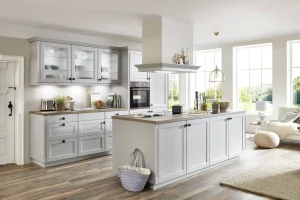

Rustic Kitchen Cabinet Turkey
Rustic Kitchen Cabinet Turkey: The Definitive Technical Sourcing, Material Science, and Engineering Guide
The global architectural arena is witnessing a profound resurgence in organic modernism, alpine design, and heritage-driven interiors. At the absolute epicenter of this movement is the rustic kitchen—a design typology that celebrates raw textures, visible wood grains, unrefined structural elements, and a deep, tactile connection to the natural world. Unlike modern minimalist designs that seek to conceal materials behind synthetic finishes, rustic design relies on the honest exposure of timber, stone, and forged metals.
For international property developers, high-end interior architects, and wholesale B2B furniture importers, sourcing a Rustic Kitchen Cabinet Turkey has become the gold standard for achieving this demanding aesthetic without sacrificing mechanical precision. Turkey’s unique geographical position, combined with its vast timber resources and heavily capitalized industrial wood-processing infrastructure, allows Turkish manufacturers to bridge the gap between rugged, hand-crafted aesthetics and European-grade automated engineering.
This technical guide delivers an exhaustive, in-depth analysis of the engineering principles, material chemistry, surface finishing techniques, and global procurement strategies that define the Rustic Kitchen Cabinet Turkey sector.
1. Architectural Anatomy and Design Principles of Rustic Cabinetry
A true rustic kitchen must look like it was built by hand over generations, yet it must operate with the fluid efficiency of a modern machine. Achieving this requires a deep understanding of traditional joinery, raw spatial budgeting, and structural mass distribution. When designing a Rustic Kitchen Cabinet Turkey, manufacturers focus on several core structural elements to construct an authentic, high-performance rustic environment.
The Power of Heavy Timber Framing and Inset Construction
Modern cabinetry leans heavily on overlay construction, where the door sits entirely in front of the cabinet box, hiding it completely. True rustic design often utilizes inset or face-frame cabinetry configurations.
- Face-Frame Integration: A solid wood frame (typically 20mm to 25mm thick) is securely mounted to the front face of the cabinet carcass. The doors are then nestled perfectly flush within this frame. This technique exposes the surrounding timber borders, adding immediate structural mass and an authentic, historical feel to the cabinetry run.
- Exposed Mortise and Tenon Joinery: At the corners of the face frames and door rails, Turkish artisans frequently utilize traditional mortise and tenon or tongue-and-groove joints. These joints are left subtly visible, showcasing the physical mechanics of the woodworking craft.
Board-and-Batten and V-Groove Door Panels
While country styles favor smooth Shaker frames, a Rustic Kitchen Cabinet Turkey often embraces more rugged door geometries:
- Board-and-Batten Construction: This style consists of wide vertical wooden planks (boards) aligned side-by-side, locked together by horizontal wooden strips (battens) running across the top and bottom of the rear face.
- V-Groove Routing: To mimic the look of individual solid planks without the risk of structural splitting, high-tech Turkish factories utilize multi-axis CNC machines to route precise vertical “V” shapes into high-density panels. This creates clean, deep shadow lines that break up the flat plane of the door, emphasizing a rugged, barn-door or alpine cabin aesthetic.
Open Architectural Beams, Corbels, and Range Hood Enclosures
Rustic cabinetry does not end at the wall boxes; it integrates directly with the surrounding room architecture.
- Structural Corbels: Massive, hand-carved wooden brackets (corbels) are mounted beneath upper cabinet modules, open shelves, or deep countertop overhangs. These pieces provide visual support, anchoring heavy elements to the walls.
- Monolithic Mantels and Hood Covers: The cooking zone is typically treated as a primary architectural focal point. Turkish manufacturers specialize in building massive, custom plaster or raw-timber range hood enclosures. These enclosures are trimmed with thick, rough-sawn solid wood lintels that tie the perimeter cabinetry into a cohesive rustic theme.
2. Core Substrates and Advanced Timber Material Science
The primary engineering challenge of rustic cabinetry is that the very characteristics people want to see—knots, cracks, color variations, and natural grain movements—are the exact traits that can cause wood to fail structurally. Managing these natural flaws requires deep technical material science. The construction of a premium Rustic Kitchen Cabinet Turkey relies on a sophisticated mix of natural timber and engineered composite wood panels.
Solid Wood Selection: Species and Structural Behavior
To achieve a rugged, natural look, Turkish manufacturers source specific local and imported hardwoods and softwoods, each chosen for its unique structural performance and grain characteristics:
- Anatolian Chestnut (Kestane): Highly prized in Turkish cabinetry for its deep, pronounced grain patterns and natural resistance to rot and moisture. Chestnut behaves similarly to oak but offers warmer, more varied golden-brown color gradients.
- European Oak (Meşe): The global benchmark for structural stability and density. Oak holds screws exceptionally well, is highly resistant to surface impacts, and accepts dark rustic stains and chemical aging agents beautifully.
- Rustic Walnut (Ceviz): Sourced from the mountainous regions of Anatolia, Turkish walnut features an ultra-rich, dark, swirling grain pattern punctuated by natural burls and knots. It is reserved for high-end luxury rustic installations.
- Knotty Pine and Larch (Karaçam / Melez): Used heavily in alpine or log-cabin rustic formats. Larch contains high levels of natural resins, making it exceptionally stable in humid conditions, while its tight, dark knots provide an unmistakable rustic charm.
Managing Timber Moisture Dynamics: Kiln Drying Protocols
Wood is inherently hygroscopic; it constantly absorbs and releases moisture to balance itself with the surrounding air. If raw wood with a high moisture content is brought into a hot, humid kitchen, it will warp, twist, bend, or split.
- The Kiln Drying Standard: Before a single piece of wood enters production in a Turkish factory, it undergoes a multi-week computer-controlled kiln drying process. The timber’s internal moisture content is brought down to a precise 6% to 8% range. This stabilizes the cellular structure of the wood, locking it in place and ensuring it can withstand the extreme temperature and humidity spikes common near active kitchen cooktops.
Engineered Composites: Reclaimed Veneers and Multi-Layer Lumber Core
To build large, stable cabinet doors and side panels without the structural risks of solid wood movement, modern Turkish manufacturing utilizes advanced composite structures:
- Three-Layer Cross-Laminated Panels (3-Ply Timber Panels): Three solid sheets of wood are bonded together under massive hydraulic pressure, with the middle layer’s grain running exactly perpendicular (90 degrees) to the outer layers. This cross-grain layout locks the panel completely, eliminating natural expansion and contraction while preserving 100% solid wood surfaces.
- Reclaimed Timber Veneers on HD-MDF: High-density MDF (Medium-Density Fiberboard) is completely isotropic and dimensionally stable. Advanced Turkish producers slice thin sheets of genuine reclaimed barn wood, old railway ties, or raw textured oak, and laminate them onto an HD-MDF core. This delivers the exact visual and tactile texture of century-old weathered timber on a perfectly stable, flat panel that will never warp or crack.
3. Surface Finishing Techniques: Texturing, Wire Brushing, and Natural Seals
The surface treatment of a Rustic Kitchen Cabinet Turkey is where science meets craftsmanship. The objective is to amplify the natural irregularities of the wood surface while applying an impermeable shield against kitchen oils, steam, water drops, and physical wear.
Industrial Wire Brushing and Sand-Blasting
To create a deeply tactile, weathered texture, wood panels are subjected to intense mechanical processing before any finish is applied.
- Wire Brushing: The wood panels are passed through automated machinery equipped with high-velocity steel wire wheels. These wires strip away the softer, pulpy springwood fibers of the grain while leaving the dense, hard summerwood rings completely intact. This creates a highly dimensional, ridged surface that follows the natural flow of the wood grain.
- Hand-Scraping: For ultra-premium lines, craftsmen use hand-held drawknives and chisels to shave irregular, gentle waves into the edges and faces of the panels, simulating the look of historical, hand-hewn lumber.
Chemical Reactive Stains and Fuming
Rather than applying standard topical pigments that can look artificial, Turkish wood finishers utilize chemical reactions to age the wood from within the cellular structure.
- Ammonia Fuming / Smoking: Wood species rich in natural tannins (such as European Oak) are placed into sealed chambers filled with vaporized ammonia gas. The chemical reaction between the ammonia and the tannins darkens the wood deep below the surface, shifting it into a rich, deep charcoal-gray or smoky-brown hue that cannot fade or scratch off.
- Iron Oxide Reactive Washes: Applying a solution of iron dissolved in acid onto the wood surface triggers an immediate reaction that mimics decades of natural oxidation, instantly turning fresh timber into a seasoned, weathered masterpiece.
High-Performance Polyurethane Matte Coatings vs. Natural Hardwax Oils
Selecting the final protective topcoat requires balancing the desired look with performance needs:
- Natural Hardwax Oils (Natural Finish): Made from a blend of natural vegetable oils (like linseed and sunflower oils) and carnauba wax. These oils penetrate deep into the wood pores, sealing the timber from within while leaving the surface completely matte and in direct contact with the hand. Hardwax oils look incredibly authentic and allow for easy spot repairs, but they require periodic re-application every 12 to 24 months.
- Dead-Matte Polyurethane or Acrylic Lacquer (Maximum Protection): Formulated to deliver a 0% to 5% gloss level, this finish is virtually invisible to the eye, making the wood look completely raw and unvarnished. However, it creates a bulletproof, non-porous chemical barrier over the surface. It provides total protection against steam, moisture ingress, and staining from harsh culinary ingredients like beetroot juice, olive oil, lemon juice, or hot coffee, and requires zero long-term maintenance.
4. Hardware Integration: Blending Old-World Finishes with Modern Engineering
The classic exterior profile of a Rustic Kitchen Cabinet Turkey should hide a highly efficient, smooth-running interior. By combining heavy, aged exterior hardware with state-of-the-art hidden soft-close mechanisms, installers can provide an effortless, high-utility user experience.
Hidden Hydraulic Motion Systems
Rustic doors are significantly heavier than standard flat-slab doors due to the density of solid wood face-frames and thick board panels. Standard cabinet hinges will rapidly sag under these loads.
- Heavy-Duty Concealed Clip Hinges: Turkish manufacturers heavy spec top-tier hidden hardware systems from global leaders like Samet, Hettich, or Blum. These hinges feature thick steel plates, deep cup depths, and integrated hydraulic soft-close dampening mechanisms. They allow massive, heavy doors to slide closed silently with a gentle push, preventing frame shock.
- Full-Extension Soft-Close Drawer Slides: Rustic kitchens heavily utilize large, deep drawer banks to organize heavy cast-iron pots, earthenware Dutch ovens, and dry dry goods. Under-mount full-extension runners support heavy loads ranging from 40kg to 70kg per drawer, gliding smoothly on self-cleaning synthetic roller tracks even when fully loaded.
Slide-Out Larders and Corner Solutions
To prevent deep base cabinets from becoming inaccessible dark zones, Turkish cabinetry incorporates heavy-duty metal pull-out systems:
- The Magic Corner and LeMans Pull-Outs: Articulated metal trays mounted to articulated tracks. Opening the cabinet door swings the front storage baskets out of the way while smoothly pulling the rear baskets into the light.
- Full-Height Pull-Out Pantries: Installed within narrow vertical columns, these systems utilize smooth telescopic rails to bring an entire vertical rack of pantry storage directly out to the user, providing multi-sided access to all stored items.
| Cabinet Element | Rustic Design Profile | Hidden Technical Solution |
|---|---|---|
| Main Perimeter Cupboards | Face-frame inset timber doors | 3D-adjustable concealed hydraulic hinges |
| Deep Under-Counter Banks | V-groove board-and-batten drawers | Heavy-duty under-mount runners (Up to 70kg rating) |
| Corner Base Units | Heavy solid wood L-junction | Independent non-slip LeMans mechanical glides |
| Narrow Appliance Gaps | Vertical filler spaces | Integrated slim wire-basket pull-out spice columns |
Period-Accurate Exterior Metalwork
The visible handle hardware is a crucial element that anchors the entire rustic design theme. Turkish suppliers offer extensive catalogs of specialized hardware finishes:
- Wrought Iron and Forged Black Matte Steel: Features a rough, hammered texture that feels like it was shaped over an anvil.
- Oil-Rubbed Antique Bronze: A living finish that subtly oxidizes and changes color over time at natural finger-friction points, enhancing the kitchen’s vintage character.
- Cast Brass with Verdigris Accents: Provides a traditional, weathered green-gold patina that pairs beautifully with dark walnut or sage-washed timber finishes.
5. Color Palettes and Textural Layering Strategies
A rustic kitchen should avoid uniform, flat blocks of color. The style thrives on complex, layered earthy hues, subtle wood washes, and high-contrast textures that mimic the natural world.
Natural Wood Stains and Charcoal Tones
The foundation of rustic color design lies in preserving the natural variations of the wood substrate:
- Earthy Umbers and Ambers: Rich, warm brown stains that enhance the natural rings of oak or chestnut without masking the underlying grain.
- Weathered Charcoal and Barn Gray: Achieved via chemical reactive stains, these cool, deep tones create a striking, modern rustic aesthetic that pairs perfectly with industrial or concrete accents.
Color-Washed and Distressed Paint Finishes
For homeowners who want color without sacrificing tactile texture, Turkish manufacturers utilize open-pore color washes:
- Open-Pore Washes: A highly diluted coat of matte paint (often in shades like forest green, terracotta, deep navy, or antique ivory) is applied directly to wire-brushed solid wood. The paint pigments settle into the deep wood pores, adding rich color while keeping the physical grain structure completely visible and touchable.
- Hand-Distressed Detailing: After painting, the edges and high-friction contact points of the door frames are gently hand-sanded back. This allows the dark underlying wood grain to peek subtly through the paint, simulating natural decades of use.
Textural Balancing: Mixing Materials
To keep a rustic kitchen from feeling dark or visually overwhelming, designers use a carefully structured material mix:
- Perimeter and Island Contrast: The main perimeter cabinets can be finished in a dark, weathered gray oak grain, while a large central kitchen island features a warm, honey-toned natural walnut construction with a rough-sawn countertop.
- Open Glass Display Integration: Incorporating upper modules with thick, hand-rolled textured glass panes breaks up solid wood runs. This allows internal display shelves—often illuminated by warm, hidden LED strip lighting—to break up the heavy wood facades.
6. Sourcing, Logistics, and Wholesale B2B Procurement from Turkey
Turkey has established itself as an absolute powerhouse in the global furniture manufacturing and export sectors. Sourcing a Rustic Kitchen Cabinet Turkey provides international property developers, high-volume e-commerce retailers, and procurement specialists with high-quality materials, flexible manufacturing setups, and distinct logistical advantages over other global supply lines.
Key Manufacturing and Forestry Clusters in Turkey
The Turkish woodworking ecosystem operates via highly efficient, specialized industrial zones:
- Bursa (İnegöl): The furniture capital of Turkey. İnegöl is home to hundreds of highly specialized factories, ranging from boutique artisan carving shops to massive automated plants. The region contains a complete local supply chain, spanning from raw timber sawmills to international logistics firms.
- Ankara (Siteler): Historically famous as the cradle of traditional Turkish hand-carving and high-end cabinetry craftsmanship. Siteler remains the preferred sourcing destination for complex rustic designs that require specialized hand-scraping, manual antiquing, custom joint work, and bespoke solid-wood profiling.
- Kayseri: The hub for large-scale, high-volume automated manufacturing. If a project requires thousands of standardized, flat-pack (RTA) rustic cabinets for a major residential development, Kayseri’s mega-factories offer exceptional speed, consistency, and competitive pricing.
- Istanbul Industrial Rings: Production areas located in the outer industrial zones of Istanbul (such as Tuzla, Hadımköy, and İkitelli) specialize in high-end architectural millwork. These facilities smoothly convert complex CAD designs from architects into precision-machined, high-luxury cabinet modules.
Flat-Pack (RTA) vs. Pre-Assembled Rigid Sourcing
International buyers must choose the best delivery format for their business model and local labor costs:
- Ready-to-Assemble (RTA / Flat-Pack): Every cabinet panel is pre-drilled for cam-lock dowel fasteners, edge-banded, and packed completely flat in heavy-duty multi-layer cardboard boxes with custom corner protection. This minimizes shipping volume, allowing buyers to pack more cabinet modules into every ocean container or truck, significantly driving down international freight costs.
- Factory-Rigid Assembled: The cabinet carcasses are fully assembled, glued, and squared using heavy industrial pneumatic clamps directly on the Turkish factory line before shipping. While this takes up more container space, it ensures absolute squareness of the frames, protects internal components, and slashes on-site field installation time and labor costs.
Logistical Advantages and Customs Union Benefits
- Unrivaled Lead Times: While East Asian sourcing routes can demand 60 to 90 days for production and maritime shipping, Turkish manufacturers typically complete complex custom cabinetry orders within 3 to 4 weeks.
- Geographical Connectivity: Utilizing overland trucking networks, shipments from Istanbul or Izmir can reach Central Europe within 3 to 5 days. Major deep-water international ports like Ambarlı (Istanbul), Izmir, and Mersin offer direct, rapid sea-freight lanes to the UK, the Americas, the Middle East, and North Africa.
- Duty-Free Trade (EU Markets): Thanks to Turkey’s Customs Union agreement with the European Union, manufactured goods move duty-free using an A.TR movement certificate. This simplifies customs clearance and provides an immediate financial advantage over sourcing options outside the EU trade framework.
7. Comparative Technical Performance Matrix of Core Finishes
To assist project managers and buyers in choosing the correct technical specifications, the table below breaks down the performance characteristics of the primary surface treatments used in the Turkish rustic cabinetry sector.
| Finish Type | Scratch Resistance | Water & Steam Barrier | Ease of Local Spot Repair | Tactile Wood Texture Level | Ideal Target Market Segment |
|---|---|---|---|---|---|
| Natural Hardwax Oils | Medium | Medium-High (Requires upkeep) | Exceptional (Can be re-oiled in place without stripping) | Absolute (Direct touch of raw wood grain) | Luxury bespoke homes, eco-lodges, premium design |
| Dead-Matte Polyurethane / Acrylic | High | Superior (Complete non-porous seal) | Low (Requires factory respraying of panel) | High (Visual grain is preserved; skin is locked) | High-use residential homes, upscale holiday rentals |
| Reclaimed Veneer on HD-MDF | High | High (Dependent on core sealer) | Medium | Exceptional | Contemporary organic apartments, boutique commercial |
| Textured Membrane / 3D Foil | Exceptional | Superior (Zero edge joints on face) | Non-Repairable (Must replace entire door) | Medium (Simulated texture) | High-volume budget developments, mass-market retail |
8. Structural Engineering and Site Installation Protocols
The ultimate field durability of a high-end rustic kitchen relies heavily on precision installation. Because a Rustic Kitchen Cabinet Turkey often incorporates heavy solid wood frames, thick board panels, and solid stone or concrete countertops, the installation process must follow strict structural guidelines to prevent structural shifting over time.
Pre-Installation Structural Site Verification
- Wall Substrate and Structural Integrity: Rustic upper wall modules and solid open timber shelving are inherently heavy. Installers must carefully verify the composition of the walls. Solid brick, concrete, or stone structures require high-load expansion anchors. If installing onto drywall systems, horizontal structural timber or steel blocking must be installed inside the wall frame before closing it, ensuring the cabinet weight is supported directly by the building’s structural studs.
- Laser leveling on Uneven Walls: Rustic architectural properties often feature uneven walls or sloped subfloors. Installers deploy multi-axis laser levels to map out a perfectly true horizontal datum line. Any floor slope must be neutralized using heavy-duty adjustable ABS plastic legs mounted under the base carcasses, ensuring the heavy natural stone countertop rests on a perfectly level plane.
The Face-Frame Alignment and Joining Sequence
For face-frame inset rustic kitchens, checking that adjacent cabinets are perfectly flush is critical to prevent doors from binding:
- Monolithic Carcass Locking: Base units are placed into position, leveled independently, and then clamped together tightly using heavy-duty woodworking bar clamps.
- Binding Sleeve Fastening: Installers use male-female steel binding sleeves through the cabinet side walls to lock adjacent modules into a single rigid structure. This distributes the massive load of quartz, granite, or solid wood countertops evenly across all adjustable legs.
  [Wall Structure] ---> Heavy-Duty Galvanized Hanging Track (Anchored to Studs)
                                       |
                                       v (Secure Connection)
  [Rustic Upper Box] <--- 3D Adjustable Internal Hanger Bracket (Tension Adjusted)
                                       |
                                       +---> [Exposed Face Frame] ---> Pocket Screw Joint Joinery
Advanced Waterproofing at the Sink and Countertop Junctions
Rustic kitchens frequently feature large, deep apron-front farmhouse sinks made of heavy fireclay or natural carved soapstone.
- Under-Counter Structural Cradle: Because an apron sink filled with water can easily exceed 90kg, installers construct a heavy-duty structural timber cradle inside the base cabinet module. This cradle transfers the sink’s weight directly down to the subfloor, protecting the engineered cabinet side panels from structural stress.
- Polyurethane Sealing Barriers: Every joint where the sink meets the wood face frame and the stone countertop must be sealed with professional-grade, anti-fungal polyurethane sealant. Unlike standard silicone, high-grade polyurethane creates a permanently flexible, watertight bond that stops water from seeping into raw timber joints, preventing rot and wood swelling.
9. Strategic Budgeting and High-Value Cost Optimization
Procuring a premium rustic kitchen involves managing complex material and manufacturing options. Property developers and architects can maximize their return on investment by spending on elements that experience heavy wear, while economizing on hidden components.
Where to Invest (Do Not Skimp Here)
- Heavy-Duty Soft-Close Runners: Rustic drawers carry significant weight from dense cookware and pantry items. Investing in premium under-mount slides with high dynamic load ratings (such as 50kg or 70kg) ensures smooth glide performance for decades without drawer binding.
- The Protective Topcoat Technology: The exterior surface finish is your kitchen’s shield against daily wear. Specify high-performance, non-yellowing, dead-matte polyurethane or acrylic lacquers. Cheaper topical varnishes can crack, whiten, or peel when exposed to continuous kettle steam or cooking grease.
- Waterproof Base Substrates: Ensure that the sink base module is built from high-density, moisture-resistant (MR) MDF or marine-grade Baltic birch plywood, even if the dry perimeter carcasses utilize standard melamine-faced chipboard.
Where to Safely Economize
- Hidden Interior Carcasses: The side walls, backs, and interior shelves of your cabinets are completely hidden when the doors are closed. You can safely specify high-quality Melamine-Faced Chipboard (MFC) for these interior boxes, while saving premium solid oak, walnut, or hand-brushed finishes exclusively for the visible front doors and end panels.
- Standardized Modular Widths: Custom cutting non-standard cabinet box dimensions requires manual CNC reprogramming and extra production steps. Design your kitchen layout around standard factory dimensions (width increments of 15, 30, 45, 60, 90, and 120 cm). Use affordable, matching raw-timber filler pieces at the wall ends to cleanly absorb any odd remaining spatial gaps.
- Strategic Open Shelving Integration: Incorporating open shelves made of thick, wire-brushed solid wood planks instead of a continuous run of upper wall cabinet boxes looks incredibly authentic, opens up the room visually, and reduces total cabinetry production costs.
10. Long-Term Maintenance and Material Longevity Protocols
Preserving the rich textures, weathered finishes, and precise alignment of a rugged rustic kitchen requires systematic maintenance, particularly in micro-climates exposed to high humidity and heat.
Specialized Cleaning Protocols for Textured Surfaces
- Managing Wire-Brushed Textures: Because wire-brushed and hand-scraped surfaces have deep, natural ridges, they can trap dust and cooking oils more easily than flat slab doors. Surfaces should be cleaned weekly using a soft microfiber cloth dampened with warm water and a neutral, pH-balanced liquid soap. Wipe in the direction of the wood grain to lift dust from the grooves. Never use abrasive scouring pads or harsh bleach-based spray cleaners, which can erode the protective topcoat.
- Caring for Hardwax Oil Finishes: If your cabinetry is finished with natural oils, avoid degreasing dish soaps, which can strip away the protective wax layer. Use specialized soap concentrates designed for oiled wood. If the wood begins to look dry or loses its water-repelling properties, apply a thin maintenance coat of hardwax oil using a lint-free cotton cloth, buffing it dry immediately.
Managing Environmental Heat and Moisture Spikes
- Range Hood Operational Discipline: Rustic wood cabinets absorb moisture rapidly if steam pools in the room. Always turn on the extraction hood fan a few minutes before boiling water or cooking to establish a clean airflow path. Ensure the range hood’s extraction capacity matches the room volume to clear steam and airborne oils effectively.
- Dishwasher Steam Deflection: The intense blast of hot steam released when opening a dishwasher can cause adjacent wood face frames to swell over time. Ensure a metallic or heavy plastic steam deflector plate is securely mounted to the underside of the countertop directly above the dishwasher bay. Keep the dishwasher door firmly shut until the internal temperature cools down completely.
Factory Documentation, Quality Standards, and Certifications
When negotiating B2B import contracts or investing in a Rustic Kitchen Cabinet Turkey, verify that the manufacturing factory holds verified international industrial certifications:
- ISO 9001 & ISO 14001: Confirms that the production facility adheres to strict, internationally audited quality control and eco-conscious environmental management protocols.
- TSE Excellence Certification: Awarded by the Turkish Standards Institution, verifying that the cabinetry complies with all national safety, load-bearing, and durability benchmarks.
- CE Mark Compliance: Essential for seamless customs entry and regulatory approval across all European Union market zones.
- Structural Warranty Terms: Reputable Turkish exporters provide clear warranties ranging from 2 to 5 years. Ensure your contract explicitly covers panel delamination, door warpage beyond standard industrial tolerances (\(\pm 2\)mm), and mechanical hardware defects, guaranteeing reliable support for your project.
Conclusion: Sourcing Modern Organic Excellence from Turkey
The rising international demand for a Rustic Kitchen Cabinet Turkey reflects a successful marriage of rugged natural beauty, traditional artisanal woodworking, and advanced engineering technologies. By utilizing cross-laminated timber panels and reclaimed veneers on stable HD-MDF cores, applying advanced dead-matte polyurethane barriers, and integrating heavy-duty European soft-close mechanics, Turkish factories deliver high-performance rustic cabinetry built for modern luxury living.
By applying the material science rules, site installation checks, and strategic cost optimization paths detailed in this guide, architects, property developers, and buyers can construct inviting, high-density rustic kitchens that serve as timeless statements of structural strength and natural beauty for decades to come.




Şunları da sevebilirsiniz
Lacquered Room Doors Production Turkey
Solid Wood Door Turkey